OpenAI Releases ChatGPT Images 2.0 with Text, Infographics, and UI Generation
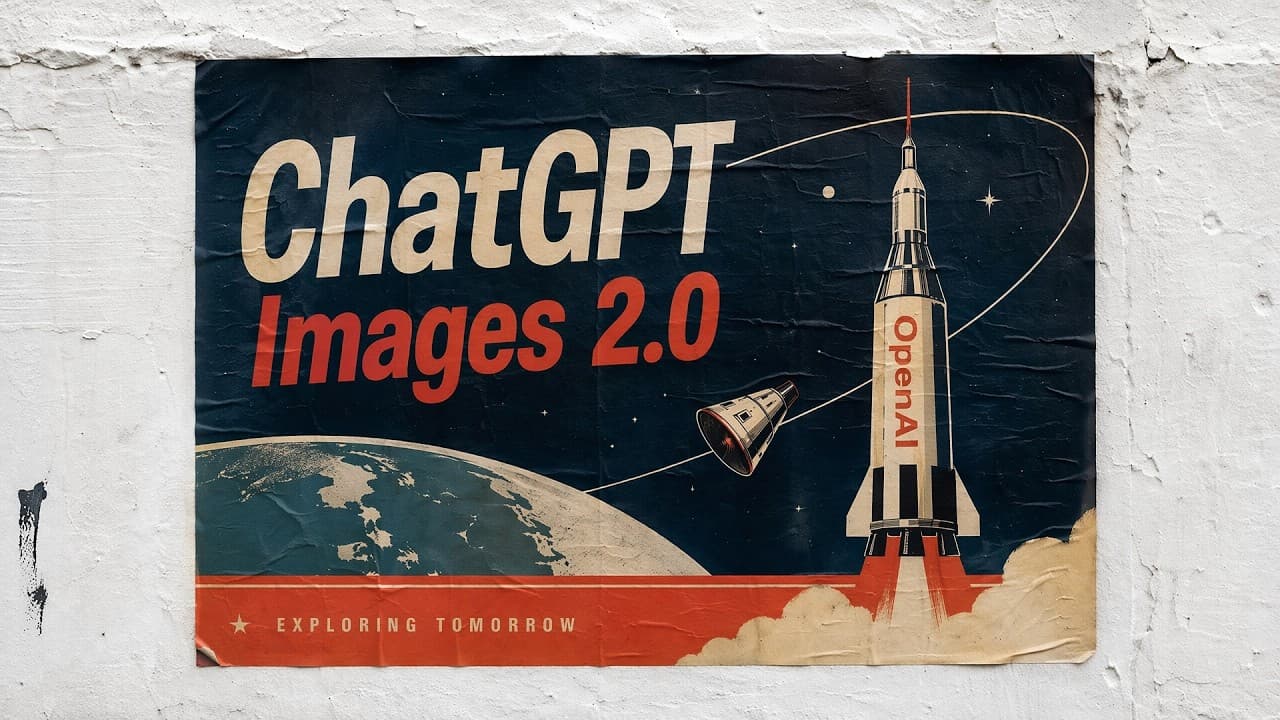
OpenAI has released ChatGPT Images 2.0, a significant upgrade to its image generation capabilities that can now produce multilingual text, complex infographics, slides, maps, and manga-style content with high fidelity. The model, available to all ChatGPT tiers and as gpt-image-2 via API, also handles realistic UI reproduction, floor plans, character models from multiple angles, and web research integration. The release comes weeks after early testing on LM Arena and directly competes with Google's recently launched Nano Banana 2 image model, though early assessments suggest OpenAI's output quality exceeds Google's in UI reproduction and multi-image generation.
TL;DR
- →ChatGPT Images 2.0 now generates dense text blocks, infographics, slides, maps, and manga within single images with multilingual support
- →Model excels at reproducing realistic user interfaces, screenshots, and website layouts, plus floor plans and character model sets
- →Available immediately to all ChatGPT users and via gpt-image-2 API endpoint, with metadata tagging for AI-generated content
- →OpenAI emphasizes safety guardrails against political interference and deepfakes, citing concerns raised by New York Times reporting on AI-generated political content
Why it matters
This release represents a fundamental shift in how OpenAI positions image generation, moving from decoration to primary communication medium. The capability to embed dense, accurate text and complex layouts directly into images closes a major gap that has limited AI image tools for professional and informational use cases. As competition intensifies from Google and other entrants, the fidelity improvements and breadth of supported formats signal that image generation is becoming a core productivity tool rather than a novelty feature.
Business relevance
For operators and founders, this opens new product opportunities in content creation, data visualization, and automated design workflows where text-heavy outputs were previously impractical. The API availability means developers can integrate sophisticated image generation into applications without building custom models. However, the emphasis on safety tagging and political safeguards also signals that regulatory scrutiny around synthetic media is shaping product roadmaps and may affect use cases in advertising and influence campaigns.
Key implications
- →Text-in-image generation at scale removes a major technical barrier for automating infographics, reports, and visual documentation workflows
- →Realistic UI and screenshot reproduction could accelerate design prototyping and testing but also raises concerns about synthetic content authenticity in marketing and social media
- →Safety tagging and political interference safeguards may become table stakes for image generation providers, potentially fragmenting the market between platforms with strict controls and those with looser policies
- →The rapid iteration cycle (GPT-Image-1.5 in December 2025, Images 2.0 in April 2026) suggests image generation will remain a high-priority investment area with frequent capability jumps
What to watch
Monitor how quickly competitors (Google, Midjourney, Stability AI) respond with comparable text-in-image and UI reproduction capabilities, as this may become a baseline expectation. Watch for regulatory or platform policy changes around synthetic media tagging and political content, especially as election cycles approach. Track adoption patterns in professional design and content creation workflows to see whether Images 2.0 actually displaces existing tools or remains a supplementary capability.
vff Briefing
Weekly signal. No noise. Built for founders, operators, and AI-curious professionals.
No spam. Unsubscribe any time.